

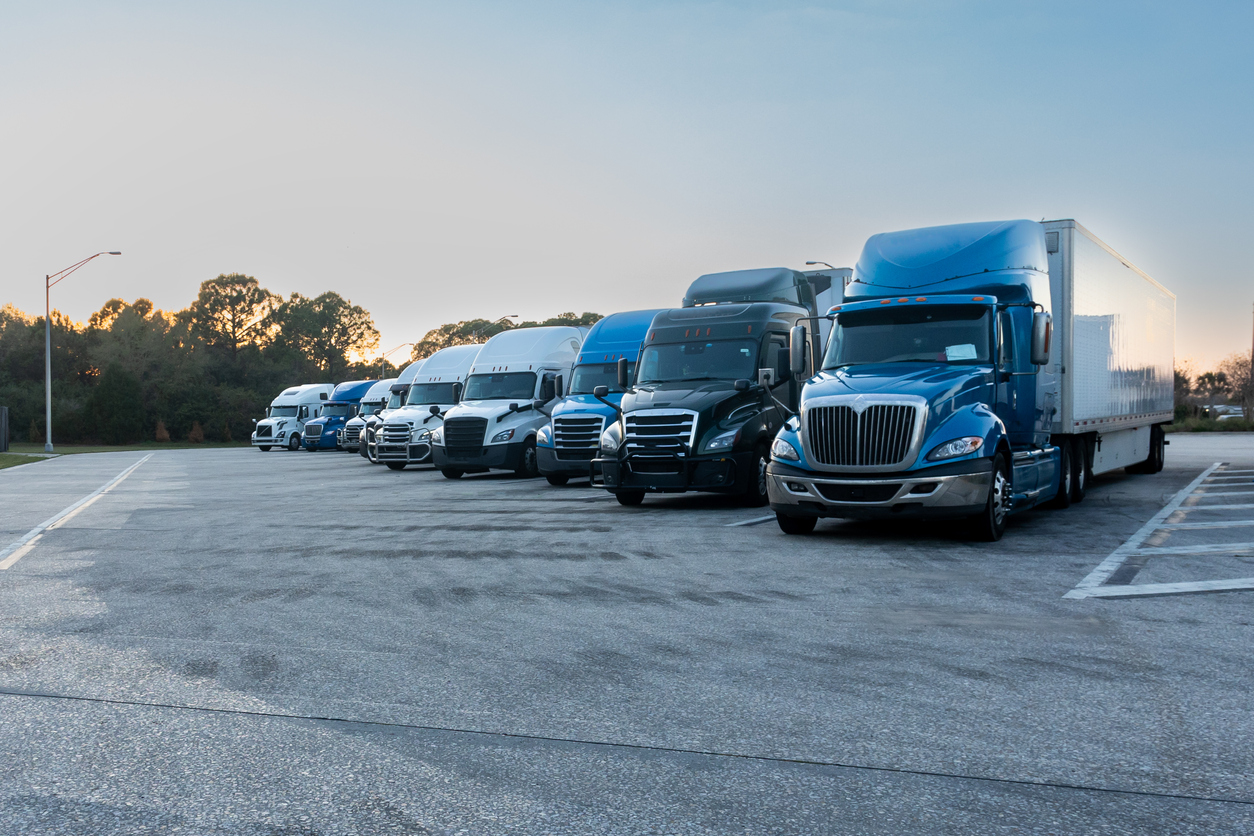
Commercial fleet collisions are more complex than typical private vehicle accidents. For auto accidents involving individuals, liability considerations, regulatory requirements, and documentation requirements are not similar. The steps for handling fleet accidents extend far beyond standard collision protocols, since multiple parties are involved. Managing company policies, federal regulations, and insurance procedures requires specialised knowledge.
Multiple liability sources
Fleet accidents rarely involve only the driver who caused the collision. Employers face automatic vicarious liability for crashes their employees cause during work activities. This doctrine means companies bear financial responsibility even when individual drivers make poor decisions without management knowledge or approval.
Maintenance providers enter the liability picture when mechanical failures contribute to crashes. An independent shop may have serviced the vehicle two weeks earlier when the brake system malfunctioned. Unsecured freight can lead to rollovers or incidents involving highway debris if cargo loading companies fail to secure it properly. If a defective component fails during operation, the manufacturer is held liable. A three-vehicle accident complicates negotiations and prolongs the resolution process compared to two-vehicle accidents.
Corporate investigation procedures
Companies launch internal investigations immediately following fleet accidents regardless of apparent fault. These examinations go well beyond police reports to include driver interviews, telematics data review, maintenance record audits, and sometimes accident reconstruction analysis. Fleet managers need comprehensive incident understanding for risk management purposes, separate from legal liability determination. Telematics systems capture vehicle data unavailable in private car crashes:
- Speed readings at one-second intervals before impact
- Braking force application timing and intensity
- Steering input patterns during pre-crash seconds
- GPS location confirming route compliance
- Engine performance metrics indicating mechanical issues
This electronic evidence either supports or contradicts the driver’s statements about what happened. Companies preserve this data immediately, knowing it becomes crucial during litigation or regulatory investigations. Private accident participants rarely have comparable objective evidence about their vehicle operation.
Federal reporting obligations
- Commercial vehicles involved in certain accidents trigger mandatory federal reporting requirements. Crashes causing fatalities, injuries requiring immediate medical transport, or vehicle disablement needing tows from the scene all demand reports to the Federal Motor Carrier Safety Administration within specific timeframes. These reports become public records accessible through FMCSA databases that anyone can search.
- Private vehicle accidents require police reports, but typically don’t involve federal agency notifications unless they occur on federal property or involve government vehicles. The public accessibility of commercial crash data means fleet accidents receive more scrutiny from regulators, competitors, and potential plaintiffs monitoring company safety records. This transparency creates reputational consequences beyond immediate legal and financial impacts.
Insurance complexity levels
- Fleet policies differ structurally from personal auto coverage. Commercial policies often involve higher liability limits, sometimes reaching $5 million or more per occurrence. Multiple insurance layers come into play, with primary policies covering initial amounts and excess policies activating when claims exceed primary limits. Determining which policy applies and in what order creates administrative complexity.
- Self-insured retention programs add another dimension. Many large fleets retain responsibility for claims below certain thresholds, perhaps $250,000 per incident. Insurance coverage only activates for amounts exceeding this retention level. Companies act as their own insurers for smaller claims while purchasing protection against catastrophic losses.
When accidents occur despite preventive measures, companies with detailed compliance records and robust safety programs are better positioned to handle them.
