

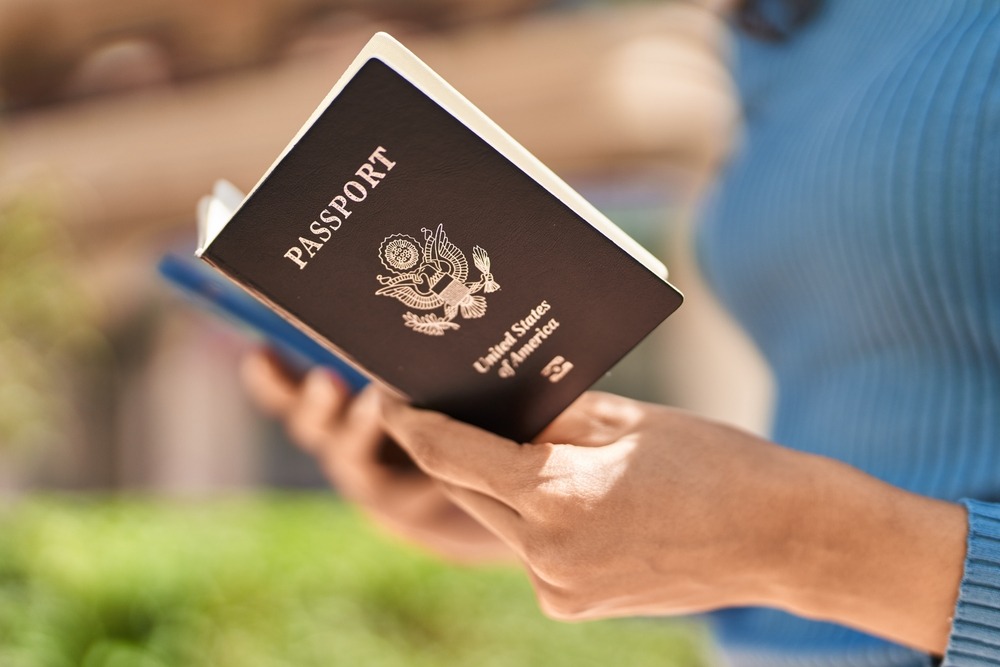
Navigating the complexities of Deferred Action for Childhood Arrivals (DACA) can be daunting, but a DACA lawyer can provide crucial guidance and support. A DACA lawyer specializes in assisting individuals with applications and renewals, ensuring all legal criteria are met for maintaining protected status. They also offer representation in cases where legal challenges may arise, helping safeguard futures and provide peace of mind.
Working with a knowledgeable DACA renewal lawyer can make the entire renewal process feel way more manageable, because staying on top of deadlines, gathering the right documents, and avoiding small filing errors is a lot to juggle on your own. A skilled lawyer helps you prepare everything correctly the first time, keeps you updated on any policy shifts that might affect your case, and gives you steady guidance so your protections stay active without unnecessary delays. Having someone experienced walking you through each step brings a sense of relief and confidence while you focus on your life, work, and future plans.
As we explore the role of a DACA lawyer, it’s vital to understand their importance in maintaining legal status under the DACA program. Our aim is to highlight how these legal professionals can assist in preparing comprehensive applications, mitigating potential risks, and advocating for clients’ rights.
Understanding the nuanced requirements is essential for anyone navigating the DACA process, and a skilled lawyer brings valuable expertise to the table. By examining how a DACA lawyer can assist, we offer insight into maximizing the benefits offered by the DACA program, while minimizing the risks associated with complex immigration issues. Learn more about DACA Lawyer
Understanding DACA: Eligibility and Legal Framework
To grasp the intricacies of the Deferred Action for Childhood Arrivals (DACA) program, it’s essential that we examine who qualifies, the legal requirements within, as well as the part played by legal experts in guiding applicants. We also consider the shifting legal landscape impacting recipients and applicants alike.
Eligibility Criteria and Application Process
DACA’s eligibility criteria focus on specific age, residency, and education benchmarks. Applicants must have arrived in the U.S. before reaching the age of 16 and before June 15, 2007. Continuous U.S. residency and physical presence on June 15, 2012, are also critical.
Education-related requirements include having a high school diploma, GED, or current enrollment in school. Furthermore, maintaining a clean criminal record is essential, prohibiting felonies and certain misdemeanors. Deferred Action and Work Authorization offer substantial benefits, but require recipients to adhere to stringent guidelines.
The application process demands the completion of Form I-821D and Form I-765. Biometrics are necessary for identity verification. Close attention to detail in these submissions supports successful applications.
The Role of DACA Lawyers in Application and Renewal
DACA lawyers are instrumental in aiding both initial and renewal applicants. Ensuring all eligibility criteria are meticulously met is one role they play. We rely on legal professionals to provide clarity on the complexities of these processes.
Renewal applicants often require guidance to navigate updated requirements and potential pitfalls. Form I-821D’s comprehensive nature needs precise answers, particularly with Advance Parole applications for travel. Lawyers contribute significantly by strategizing on meeting requirements and deadlines.
Legal guidance is critical, particularly when addressing issues with the Department of Homeland Security and changes in USCIS policies. These experts also help applicants maintain their status and enable the smooth renewal of Employment Authorization Documents.
DACA’s Legal Journey and Current Standing
The legal journey of DACA has been tumultuous. Recent actions, including the U.S. District Court’s decision in the Southern District of Texas and resulting injunctions, shape the current standing.
Challenges often lead to alterations in policy, impacting recipients’ status and applications. DACA’s status fluctuates with ongoing judicial challenges, such as those in the District Court and Fifth Circuit. A nuanced understanding of these legal shifts is vital.
The status of DACA recipients remains uncertain without a permanent solution, like a Green Card path or U.S. Citizenship. Our focus remains on the implications these legal decisions have on both initial and renewal requests.
Rights and Protections for DACA Recipients
As we explore the rights and protections available to DACA recipients, key focus areas include employment and education opportunities, safeguarding against removal, as well as the challenges they face within the legal landscape.
Employment and Education Opportunities
DACA recipients are eligible for Employment Authorization Documents (EADs), commonly referred to as work permits. These documents open up opportunities for meaningful employment across various sectors. With a work permit, recipients can apply for a Social Security Number, enabling them to build their professional and personal lives in the United States effectively. Employment is not limited to any specific field, allowing access to diverse job markets.
In terms of education, recipients can attend public schools, including high school, and benefit from in-state tuition rates at many colleges and universities. While not eligible for federal financial aid, they can seek private scholarships and institutional funds. The legislation like the Dream Act proposed by President Obama reflected efforts to expand educational opportunities, though its passage remains elusive.
Protection from Removal and Immigration Advocacy
DACA offers protection against deportation, allowing recipients to remain in the country without fear of immediate removal. Through prosecutorial discretion, immigration authorities prioritize other cases over DACA recipients, focusing instead on issues of national security and public safety. This protection is not a path to citizenship but provides temporary relief.
Immigration lawyers and attorneys play a crucial role in navigating these protections, assisting with DACA Renewal and legal advice. Amid changing policies, including court rulings impacting the program, legal guidance is essential. Recent memoranda and orders emphasize the importance of staying informed about updates that may affect protection status.
Challenges and Legal Considerations
Despite these protections, DACA recipients face numerous challenges. Legal considerations include understanding the implications of criminal convictions, particularly those identified as felonies or significant misdemeanors. Such convictions can jeopardize one’s status, highlighting the importance of consulting a skilled DACA lawyer.
Renewal applicants must stay aware of the intricacies of renewal processes, including initial requests and the timelines associated with processing times. Recipients often encounter administrative hurdles or delays. Legal advice helps in addressing these challenges and maintaining valid status, crucial for pursuing opportunities tied to the American Dream.
Navigating this complex landscape requires staying informed, seeking legal support, and advocating for more comprehensive immigration policies.
